

Chiropractic Care for Tongue Tie and Latching Issues

Chiropractic Care for Tongue Tie and Latching Issues

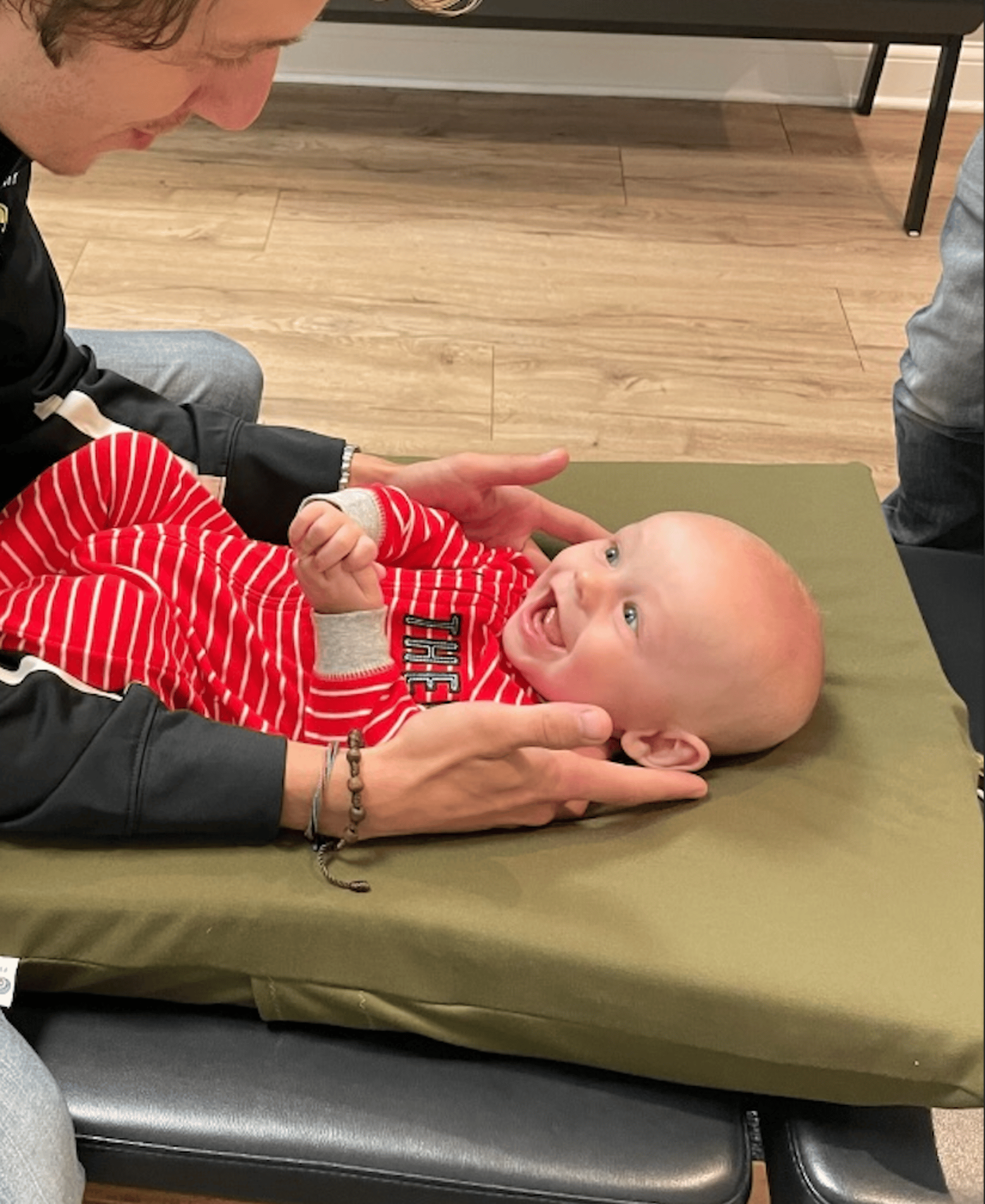
Is your baby struggling to latch, feed, or gain weight? Tongue and oral ties can make feeding painful and exhausting—for both you and your little one. I specialize in gentle chiropractic and cranial care that supports better latch, reduces reflux and gas, and helps babies feed and grow more comfortably.

How Chiropractic Care Supports Tongue Tie and Latching
Tongue and oral ties don’t just affect feeding—they’re often a sign that your baby’s nervous system and cranial balance are under stress. This can make it harder for them to latch, feed comfortably, and gain weight.
My focus is on restoring balance so your baby can thrive:
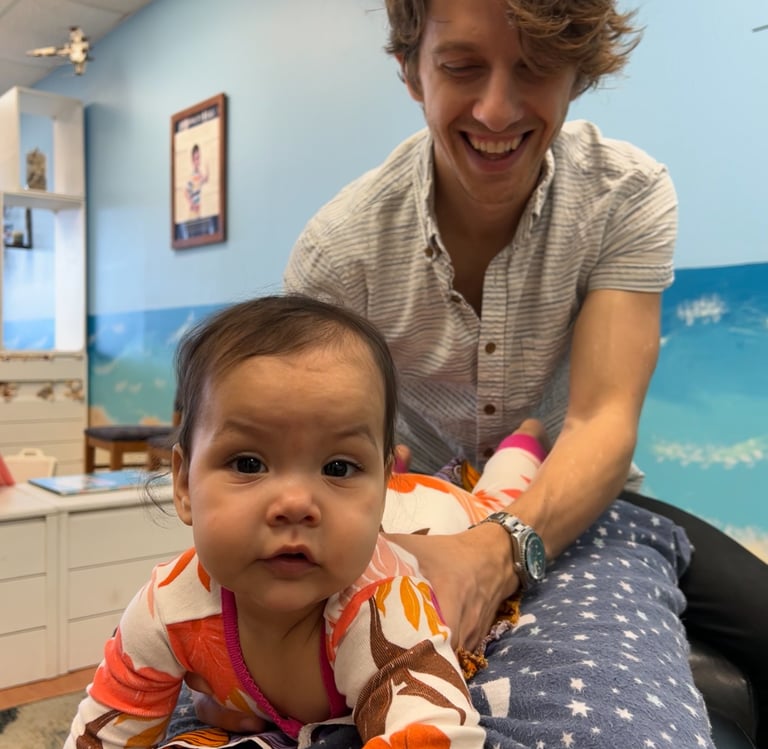
Gentle chiropractic adjustments – Release tension in the spine and upper neck, supporting the vagus nerve (critical for digestion, calming, and latch).
Cranial work – By balancing the skull and palate, we create more space for the tongue, improving suction and reducing feeding struggles.
Support before and after tongue tie revisions – Many families find that care helps the body “unwind” so revisions are more successful, with fewer complications or regressions.
Whole-body nervous system care – Our neurologically focused approach gives babies the best chance to feed, sleep, and grow without unnecessary stress.
By combining chiropractic and cranial care, I address the root causes—not just the symptoms—helping babies feed more comfortably and naturally.


Insight scan
This scan shows lots of stress in the vagus nerve. This nerve is critical for activating healing and restoration in the body. When stressed, the body gets stuck in fight or flight mode, which shuts off proper eating, pooping, and sleeping in babies. .
How Cranial Chiropractic Care Supports Feeding Success
I take a holistic approach to addressing tongue tie and latching issues. My focus is on balancing the cranial bones and optimizing nervous system function to support your baby's feeding abilities.
Cranial Work for Optimal Latch
By gently adjusting the cranial bones, including the palate, we create more space in the oral cavity. This enhanced space allows for better tongue movement and suction, facilitating a more effective and comfortable latch during feeding sessions.
Unwinding the Nervous System
The process of feeding, especially post-tongue tie revision, can be stressful for a baby's nervous system. Releasing the tie may leave the system in a heightened state, potentially leading to unsuccessful revisions. Chiropractic care helps to "unwind" the nervous system, reducing stress and promoting healing. This approach can either resolve the tie naturally or make surgical interventions more successful and less likely to cause recurring issues.
The Role of Chiropractic Care Before and After a Tongue Tie Revision
If a frenectomy (tongue tie release) is recommended, chiropractic care plays a crucial role in both pre- and post-procedure support.
Pre-Revision Support
Before the procedure, chiropractic adjustments can:
Align the head, neck, and jaw for better access during the release
Reduce tension in the surrounding tissues
Improve tongue and jaw mobility
Post-Revision Recovery
After the release, continued chiropractic care supports:
Healthy healing and scar tissue formation
Restoration of normal tongue function
Prevention of reattachment or compensation patterns
This comprehensive approach ensures that your baby receives the best possible outcome from the procedure.

Parent Success Stories




"Our little guy had reflux and couldn’t stay latched. The scans and gentle cranial work here made such a difference—he eats better, spits up less, and we’re all getting more sleep." - Gabriella
"Breastfeeding was so painful because of my baby’s tongue tie. After a few gentle visits at Three Nails Chiropractic in Franklin, her latch completely changed. Feeding is finally calm and easy." - Sammy
Frequently asked questions
Q: How do I know if my baby needs to be checked for tongue or lip ties?
A: Many pediatricians and lactation consultants will look for ties, especially if your baby struggles to latch, feed efficiently, or stay calm during nursing. These challenges can often look like a tongue tie — and sometimes they are — but other times they stem from tension in the baby’s neck, jaw, or nervous system.
Q: Should my baby get a tongue tie revision?
A: Yes — if a baby’s nervous system stress isn’t addressed, ties can reattach or symptoms can return. That’s why it’s best to have your baby’s nervous system checked before and after a revision. By keeping the body calm and balanced, you support lasting results and smoother feeding.
Q: What problems can a tongue or lip tie cause?
A: A tongue or lip tie can make it harder for a baby to latch deeply, feed efficiently, or stay comfortable during nursing. Over time, it may also affect how the tongue moves for swallowing, chewing, and even speech as your child grows.
That said, if a tie isn’t causing any issues with feeding, comfort, or development, it often doesn’t need to be revised. The goal isn’t to chase every visible tie — it’s to help your baby’s body function and thrive naturally.
Q: Can tongue or lip ties come back after being released?
A: Sometimes a revision is needed, but often it isn’t. In many cases, babies are so wound up from birth stress or nervous system imbalance that their body can’t fully relax or function as it should. When we gently release that tension through chiropractic care, the nervous system calms, muscles soften, and many ties naturally improve or resolve on their own.
305 Seaboard Ln
Unit 320
Franklin, TN 37067
Monday: 10:00am - 6:00pm
Tuesday: 12:00pm - 6:00pm
Wednesday: 10:00am - 6:00pm
Thursday: 10:00am - 6:00pm